
Flight operations · 6 min read
What a go-around really means (and why it’s a sign of good judgment)
The runway is close, then the airplane climbs away. Learn why crews discontinue an approach and how they decide what happens next.

You’re coming in to land. The runway is getting closer, the landing gear is down, and you’re expecting to feel the wheels touch the pavement any second.
Then something unexpected happens.
The engines get louder. The airplane starts climbing again. Maybe you notice the landing gear retracting, or hear the flight attendants pause their preparations.
Wait. Weren’t we supposed to be landing?
If you’ve experienced this, you’ve probably been on a go-around. And while it can be surprising from the passenger seat, it’s something pilots train for regularly.
Let’s talk about why we do them, what happens in the cockpit, and why a go-around is often a sign of good decision-making.
First, what exactly is a go-around?
A go-around is when pilots discontinue an approach to landing and transition the airplane back into a climb.
Instead of continuing toward the runway, we apply the appropriate thrust, establish a safe climb, reconfigure the airplane as required, and follow the published or assigned flight path.
It’s a normal maneuver with established procedures.
Pilots practice go-arounds in flight simulators throughout their careers because we need to be able to execute one promptly and correctly, even when we’re close to the runway.
And here’s something important: A landing is never something we have to force.
If the conditions aren’t right, we can discontinue the approach and try again.
Why would pilots decide not to land?
There are quite a few reasons, and many have nothing to do with an emergency.
1. The approach isn’t stabilized
Airlines establish criteria for what makes an approach stabilized. These typically include the airplane being at the appropriate speed, on the intended flight path, properly configured, and descending at a suitable rate. The criteria and decision points depend on the operator and aircraft; there is no single height or checklist that applies to every airline.
If we’re outside the required parameters and can’t meet the criteria by the designated point, company procedures generally require a go-around.
Even if the runway looks close enough to land, continuing an unstable approach can introduce unnecessary risk.
2. Something is on the runway
Air traffic control might instruct us to go around because another airplane hasn’t cleared the runway, a vehicle is present, or runway separation can’t be maintained.
That doesn’t necessarily mean we were seconds away from a collision.
It means the required conditions for landing weren’t assured, so the safer option was to discontinue the approach.
3. The weather changes
A sudden wind shift, reduced visibility, or other changing conditions can make an approach unsuitable to continue. A windshear warning or encounter calls for the aircraft’s specific response; a windshear escape is not interchangeable with an ordinary go-around. Wind can shift to a tailwind and exceed company or aircraft required limitations.
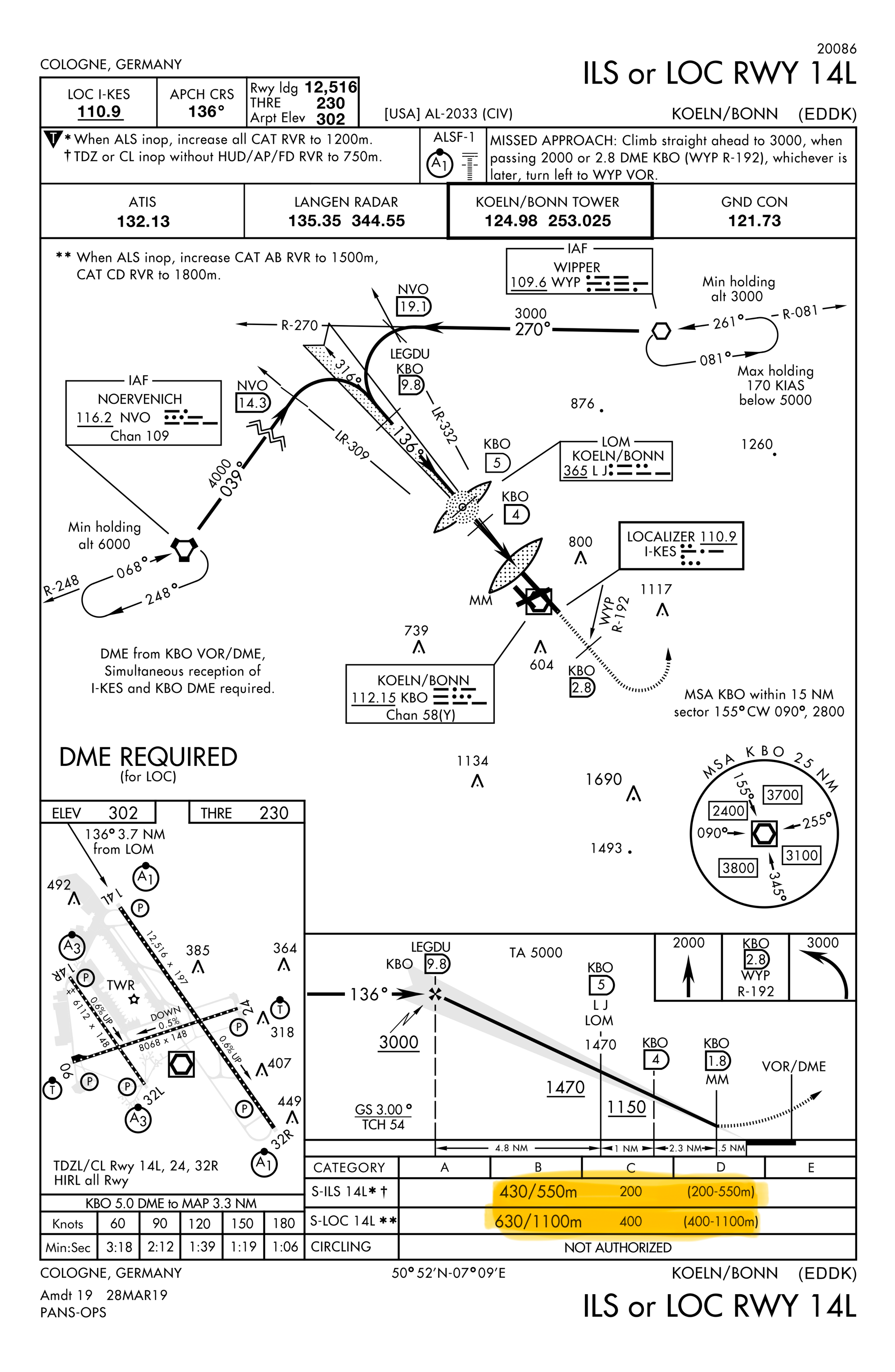
There are also certain criteria required for landing in weather such as visibility and ceiling (cloud cover). The instrument approach procedure being followed lays out these required values and when the minimum altitude is reached if the runway is not visually in sight, the pilots need to execute a “missed approach” which is essentially a go-around.
Pilots continually evaluate weather and aircraft performance during the approach.
Sometimes the best decision is to climb away and reassess.
4. Air traffic control instructs us to
Air traffic controllers manage multiple aircraft arriving and departing, sometimes in very busy airspace.
They may direct a go-around for traffic spacing, runway occupancy, or another operational reason.
We follow the instruction unless doing so would compromise safety.
5. The pilots simply aren’t satisfied with the approach
Not every go-around has a dramatic explanation.
Maybe the airplane isn’t positioned quite where we want it. Maybe the touchdown zone can’t be reached under the appropriate conditions.
If we’re not comfortable that the landing can be completed safely, we can go around.
That’s good judgment, not failure.
What does a go-around feel like from the cabin?
The most noticeable change is usually the engine noise.
You may hear the engines spool up as the pilots command additional thrust. Depending on the aircraft and conditions, the increase in noise can be substantial.
You’ll feel the airplane transition from descending to climbing.
You might also hear changes in airflow or mechanical sounds as the landing gear and flaps are repositioned in the proper sequence.
The airplane may turn as the crew follows the applicable flight path from the approach procedure and/or air traffic control instructions. After an instrument approach, a published missed-approach procedure may apply, subject to its limitations and any different ATC instructions. A go-around from a visual approach does not automatically use an instrument procedure’s missed-approach route.
All of these can be normal parts of the maneuver.
A go-around can feel abrupt without being an emergency.
And because the flight crew’s first priority is flying the airplane and coordinating with air traffic control, you might not hear an immediate announcement explaining what’s happening. It is a busy time in the cockpit, and while we want to make an immediate passenger announcement, flying the airplane always comes first and communicating with ATC is crucial during the minutes following as well.
Does a go-around mean something went wrong?
Not necessarily.
A go-around means the landing was discontinued. The reason could be as routine as another aircraft taking longer than expected to exit the runway or as discussed, the weather wasn’t cooperating and we couldn’t continue the landing.
Of course, some go-arounds are prompted by serious conditions. That’s precisely why we train to recognize when continuing an approach is no longer the best option.
The important distinction is that a go-around is a safety procedure, not evidence by itself that the flight was unsafe.
What happens next?
Once we’re safely climbing, we’ll coordinate with air traffic control and evaluate our options.
Often, we’ll be given instructions to reposition for another approach to the same runway or a different one.
Depending on the circumstances, we might need to wait for weather to improve, review a new approach, or consider another airport.
Fuel planning accounts for the possibility that flights may need to discontinue an approach, hold, or divert, subject to the applicable requirements and operational conditions.
Sometimes a go-around adds only a few minutes to the flight. Other times, it leads to a longer delay.
Either way, the objective is the same: get the airplane safely on the ground, even if that means taking a different path to get there.
The pilot’s perspective
Here’s how I think about it.
We don’t judge a successful flight by whether we landed on the first attempt.
We judge our decisions by whether we operated the airplane safely, followed the appropriate procedures, and responded correctly to the conditions in front of us.
A go-around isn’t something pilots want to do unnecessarily. It adds workload, time, and sometimes complications to the flight.
But those considerations don’t outweigh safety.
And if we decide to go around, the goal isn’t to salvage the original landing. It’s to execute the maneuver correctly and set ourselves up for whatever comes next.
What should you remember as a passenger?
If you’re on an airplane that suddenly climbs away from the runway, it’s understandable to feel startled.
But the louder engines and renewed climb don’t automatically mean something has gone wrong.
They may mean the pilots recognized that continuing the approach wasn’t the right decision.
Sometimes the safest landing is the one we decide not to make—at least not yet.
And that’s exactly why we practice go-arounds.
Sources and scope
General passenger education. Equipment, procedures and regulations vary by aircraft and operation. These links support the identified general concepts; they are not a substitute for an aircraft’s approved manuals.
The cockpit notebook
The flight path changes; the safety goal stays the same

Tap or click the diagram to view its labels at full size.
The crew transitions from an approach to the aircraft’s go-around maneuver. The actual route and configuration depend on the procedure, conditions, aircraft and ATC instructions.
Original FSNS concept diagram. FAA: Go-arounds explained. No universal decision height is implied.
The cockpit notebook
A landing is more than reaching the runway
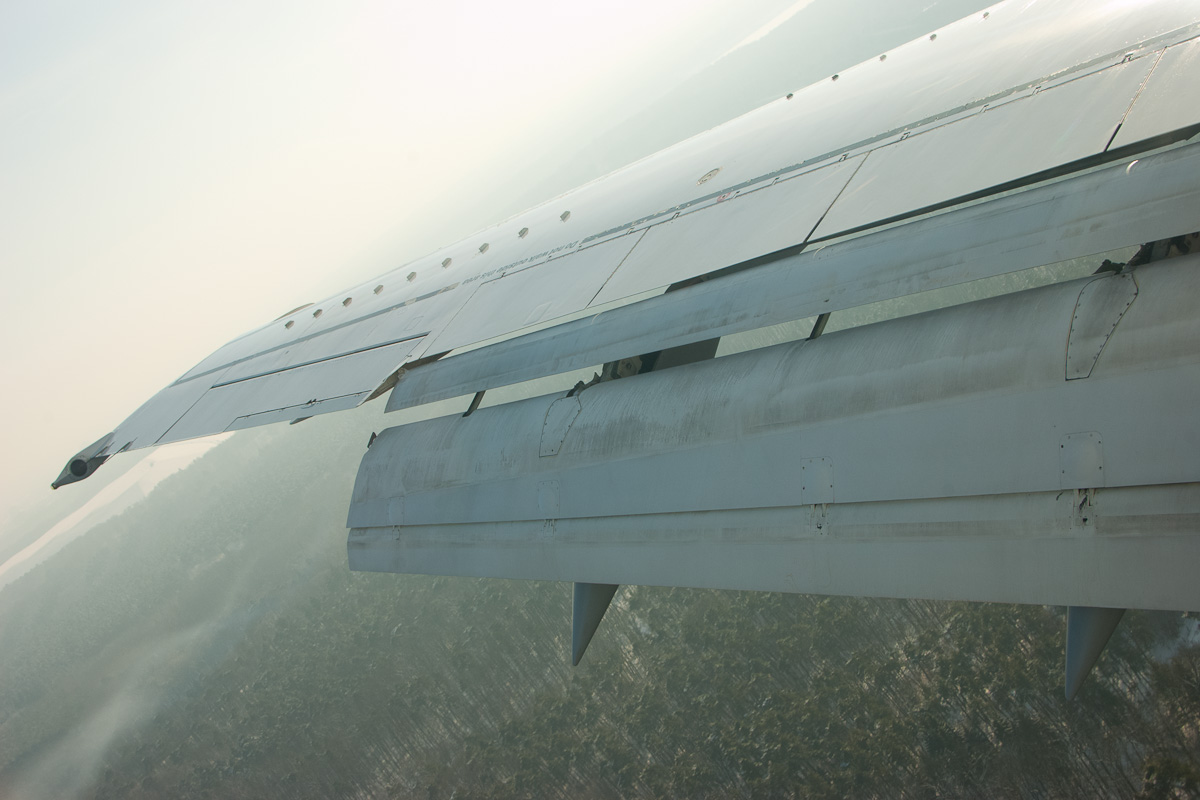
Manic-nirvana · CC BY-SA 3.0. Photograph unchanged; fitted to the layout.

The cockpit notebook
Another approach is a decision, too
Weather and runway
Have the conditions changed enough for another approach to make sense?
Fuel and options
What fuel remains, and what suitable alternatives are available?
Crew and support
The crew coordinates with ATC and, where available, dispatch while following its procedures.
Educational decision factors, not universal continue/divert criteria. Wind-shear escape guidance may differ from an ordinary go-around.
General passenger education. Aircraft equipment and procedures vary. This article is not a checklist or operating instruction.
← Explore more aviation articles